

Core Value
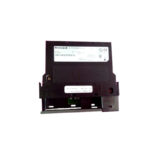
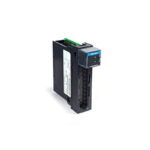
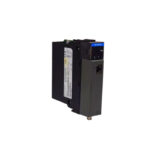
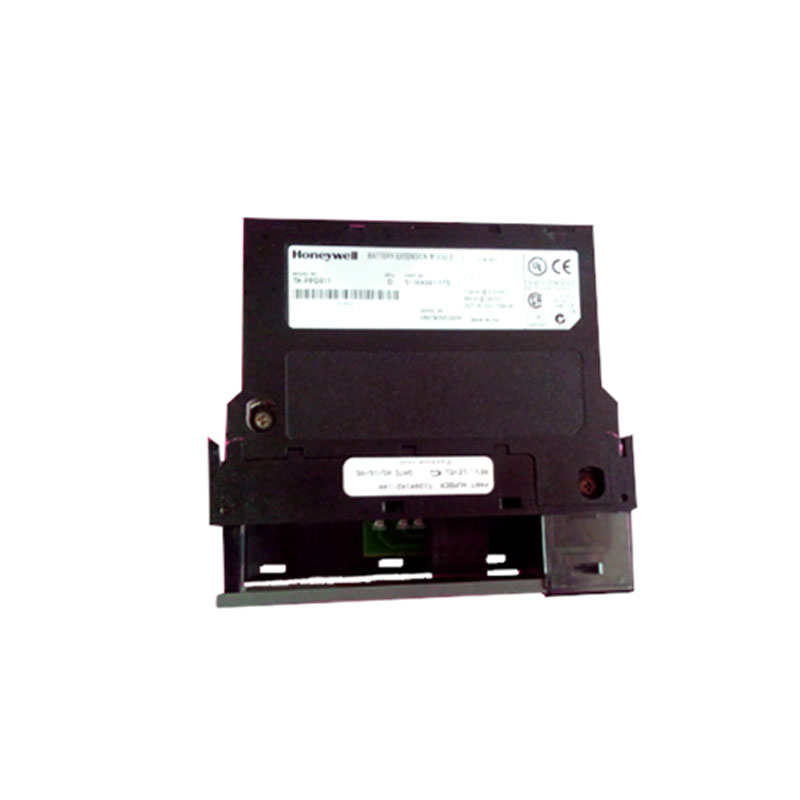
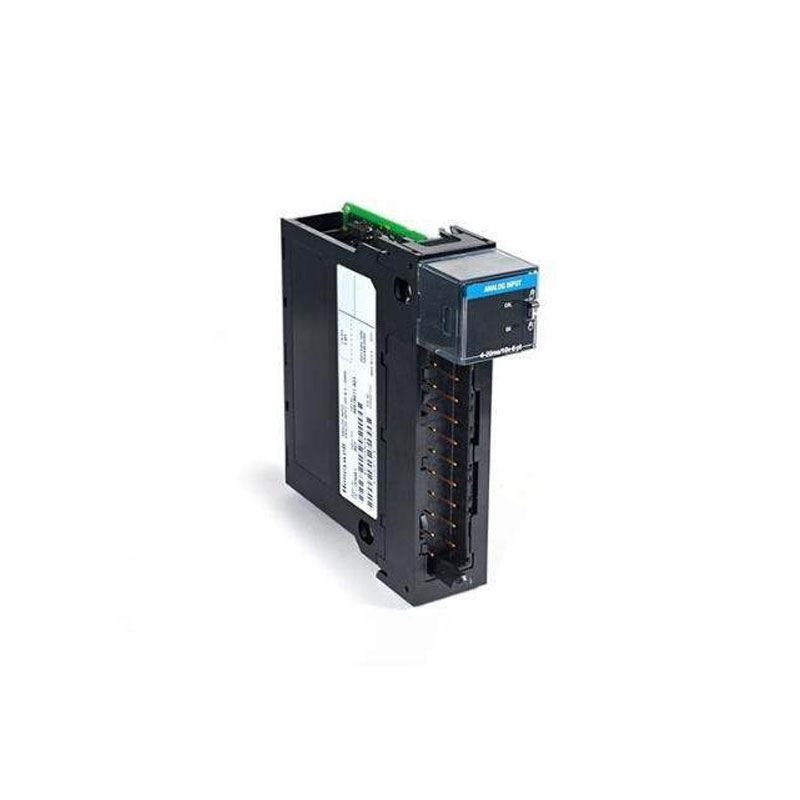
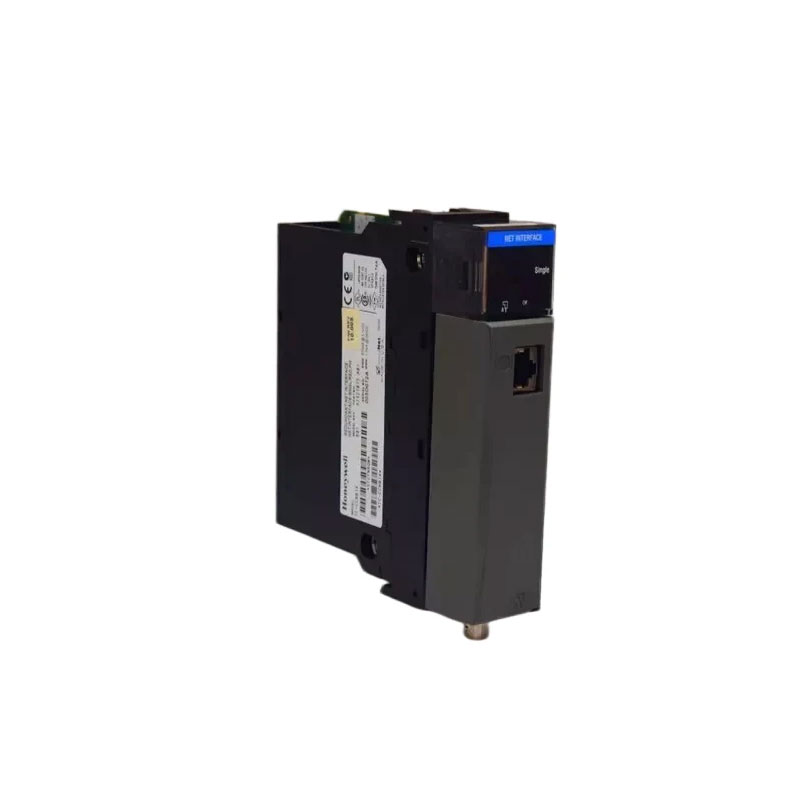
The Honeywell TC-IAH061 resolves critical analog signal acquisition challenges in heavy industries. This 6-channel module delivers precise voltage and current measurements for process control. Operators in oil, gas, and chemical plants rely on its galvanic isolation to prevent ground loops. Consequently, it ensures stable data collection even in electrically noisy environments. The module supports both 0-10V and 4-20mA signals, simplifying inventory management. Therefore, maintenance teams can standardize spare parts across multiple installations. This reduces downtime and lowers total ownership cost.
Technical Insights
The TC-IAH061 module achieves 16-bit resolution across each input range. Specifically, the voltage resolution reaches 86 μV for the 0-5.25V range, enabling fine-grained measurement. This high resolution directly improves control loop accuracy, reducing waste in batch processes. Additionally, the calibrated accuracy of better than 0.1% for voltage and 0.15% for current guarantees reliable data for regulatory compliance. The module also features a settling time of less than 80 milliseconds to 5% of full scale. Consequently, fast-changing process variables are captured without lag, preventing overshoot or oscillation. Furthermore, the 120 dB common-mode rejection at 60 Hz suppresses interference from motors and drives. This ensures signal integrity even when cables run long distances near high-power equipment. In contrast, earlier modules lack such robust noise immunity, leading to frequent false alarms. Therefore, upgrading to the TC-IAH061 extends the operational lifespan of your control system.
Installation and Maintenance Guide
Before installing the Honeywell TC-IAH061, verify that the backplane supports the C200/C200E series. Use a grounded wrist strap to avoid electrostatic damage during handling. Mount the module securely into the designated slot until the locking mechanism clicks. Then, connect field wiring using shielded twisted-pair cables for analog inputs. Maintain a minimum separation of 15 cm from AC power lines to reduce noise coupling. For current inputs, ensure the external 249 Ω resistor is placed close to the module. After power-up, configure the input type via the engineering software. Perform a loop test with a known source to verify calibration. Schedule quarterly cleaning of the terminal block to prevent oxidation. In contrast, neglected connections can cause intermittent faults that are hard to diagnose. Always keep spare fuses available, though the module includes electronic short-circuit protection per channel.




Leave a Reply