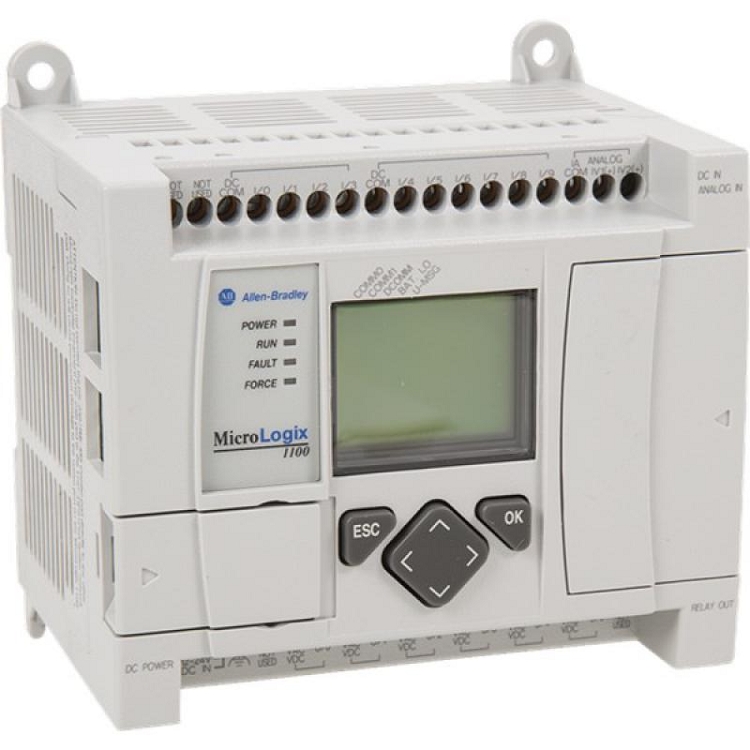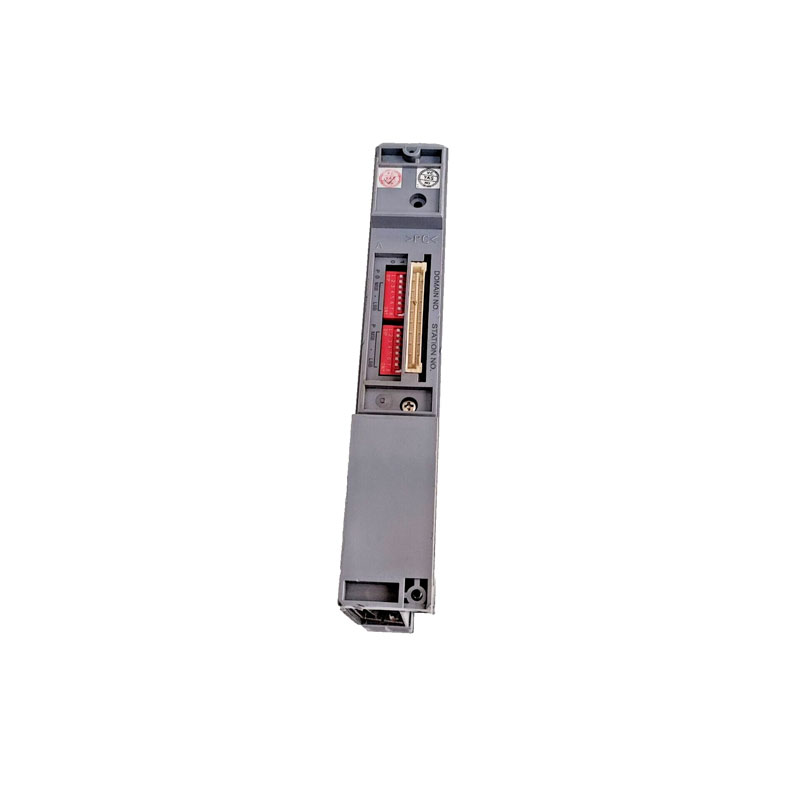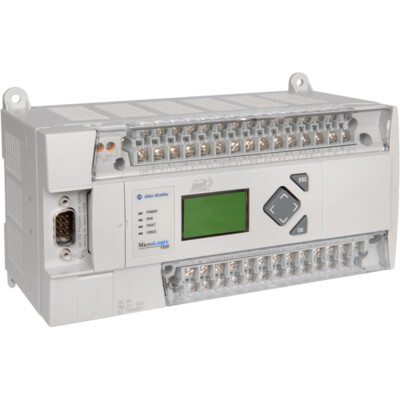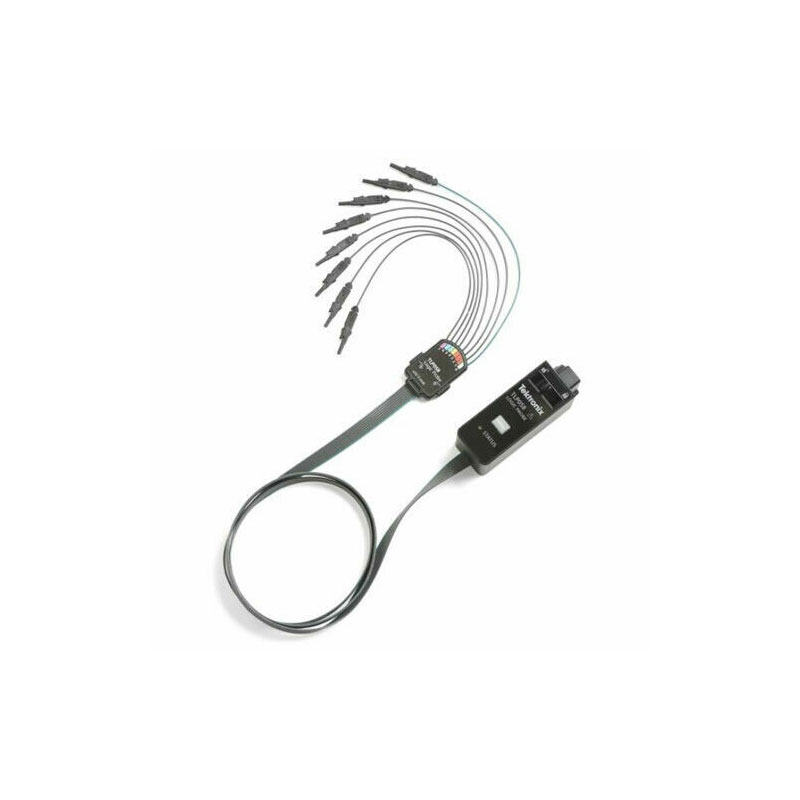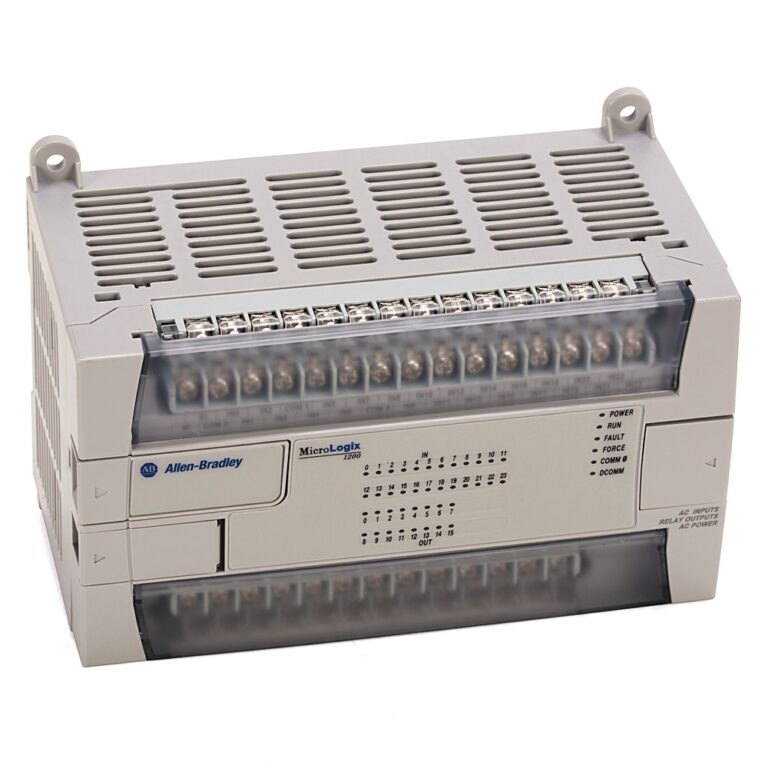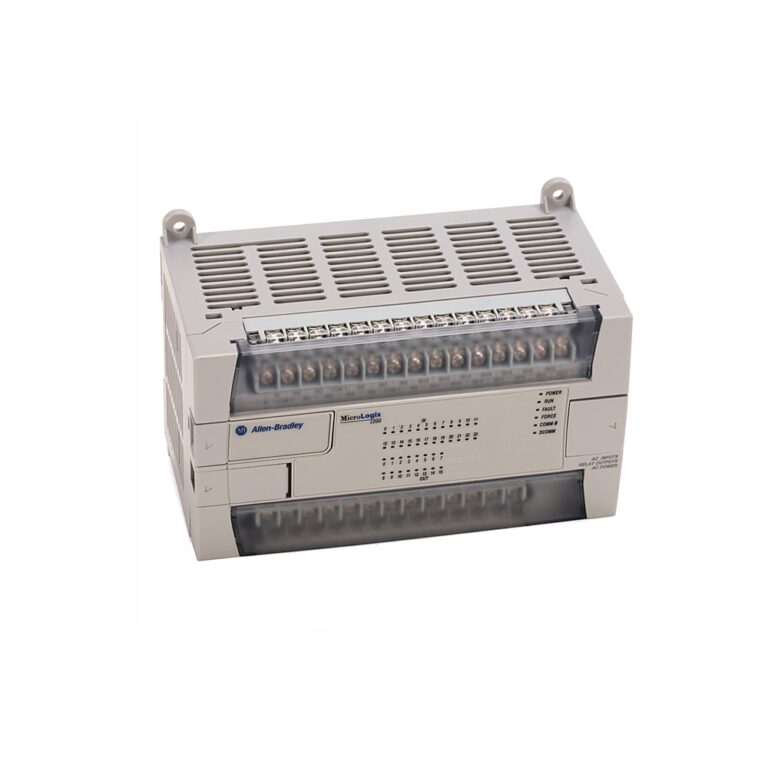


Preparing for the 1756-OBV8S Module Installation
Core Value
The 1756-OBV8S Allen-Bradley output module resolves a critical pain point in heavy industries: reliable, isolated digital switching for hazardous or high‑noise environments. Specifically, in Oil & Gas and Chemical plants, this module’s fused outputs and short‑circuit protection prevent costly downtime and equipment damage. Consequently, operators achieve safer process control without additional external relays.

Technical Insights
Three key parameters directly improve production efficiency and equipment lifespan. First, the module’s 0.5 ms response time ensures fast actuation of solenoid valves and indicators, reducing cycle delays in high‑speed manufacturing lines. Second, its extended environmental tolerance (–40 °C to 70 °C and Class I Division 2 certification) allows deployment in outdoor or explosive‑atmosphere zones, thereby eliminating the need for separate enclosures. Third, the 1756‑OBV8S operates at 24 V DC nominal with a 2 A per output rating; this compatibility with standard industrial actuators simplifies wiring and reduces inventory of power supplies.
Installation & Maintenance
When preparing the installation, always verify that the 1756‑OBV8S fits your ControlLogix chassis and firmware revision. Furthermore, secure all output wiring with the provided locking connectors to prevent accidental disconnection in high‑vibration areas such as compressor skids. For optimal reliability, we recommend applying an external surge suppressor across inductive loads—valves or contactors—since the module lacks built‑in transient protection. Finally, label each channel clearly to streamline future troubleshooting.
Step-by-Step Guide to Wiring and Commissioning
Installation & Maintenance (Practical Field Advice)
During wiring, strip conductors to the recommended length (6–7 mm) and torque terminal screws to 0.5 N·m. In high‑vibration environments, use flexible, shielded twisted‑pair cables and secure them with cable ties every 200 mm. After mounting the module, power up the backplane and verify the green “OK” LED; a flashing red indicator signals a blown fuse or missing 24 V supply. Commission the outputs one channel at a time using the ControlLogix® software’s forced‑output tool to confirm correct wiring and load operation.

Buyer’s FAQ (5 Common B2B Procurement Questions)
1. Is the 1756‑OBV8S still an active lifecycle product?
Yes, Rockwell Automation lists it as an active module with no announced discontinuation. Consequently, you can still order spares and receive factory support.
2. What tells me it is time to upgrade to a newer output module?
Upgrade if your application demands higher current per output (above 2 A) or electronic (non‑fused) short‑circuit protection. The 1756‑OBV8S uses replaceable fuses; a newer design like 1756‑OBV16S offers electronic protection and diagnostic feedback.
3. Is the 1756‑OBV8S backward‑compatible with older ControlLogix chassis, such as the 1756‑A7?
Absolutely. The module uses the standard ControlLogix backplane connector and works with all 1756 chassis, provided the chassis power supply can deliver the required 5 V and 24 V currents.
4. What is the maximum continuous current per output?
Each output handles 2 A continuous, and the total current across all eight outputs must not exceed 8 A (limited by the module’s internal fuse). Use external relays for loads above 2 A.
5. How does the 1756‑OBV8S differ from the standard 1756‑OB8?
The 1756‑OBV8S includes per‑channel fusing and a lower leakage current (below 0.5 mA), making it essential for safety‑critical or high‑impedance loads in chemical plants. In contrast, the standard 1756‑OB8 lacks these fused outputs.